What Is Keyless Check-in for Hotels? A Complete Guide for India
Keyless check-in is transforming the hospitality landscape in India, offering a seamless and efficient way for guests to access their accommodations without the need for traditional physical keys. This innovative approach leverages advanced technology, such as smart locks and mobile applications, to provide a more convenient experience for travelers. As the demand for contactless services continues to rise, especially in the wake of the global pandemic, hotels are increasingly adopting keyless check-in systems to enhance guest satisfaction and streamline their operations. By allowing guests to check in remotely and unlock their rooms using their smartphones, hotels not only improve the overall guest experience but also reduce the workload on front desk staff, enabling them to focus on providing exceptional service and addressing guest needs more effectively.
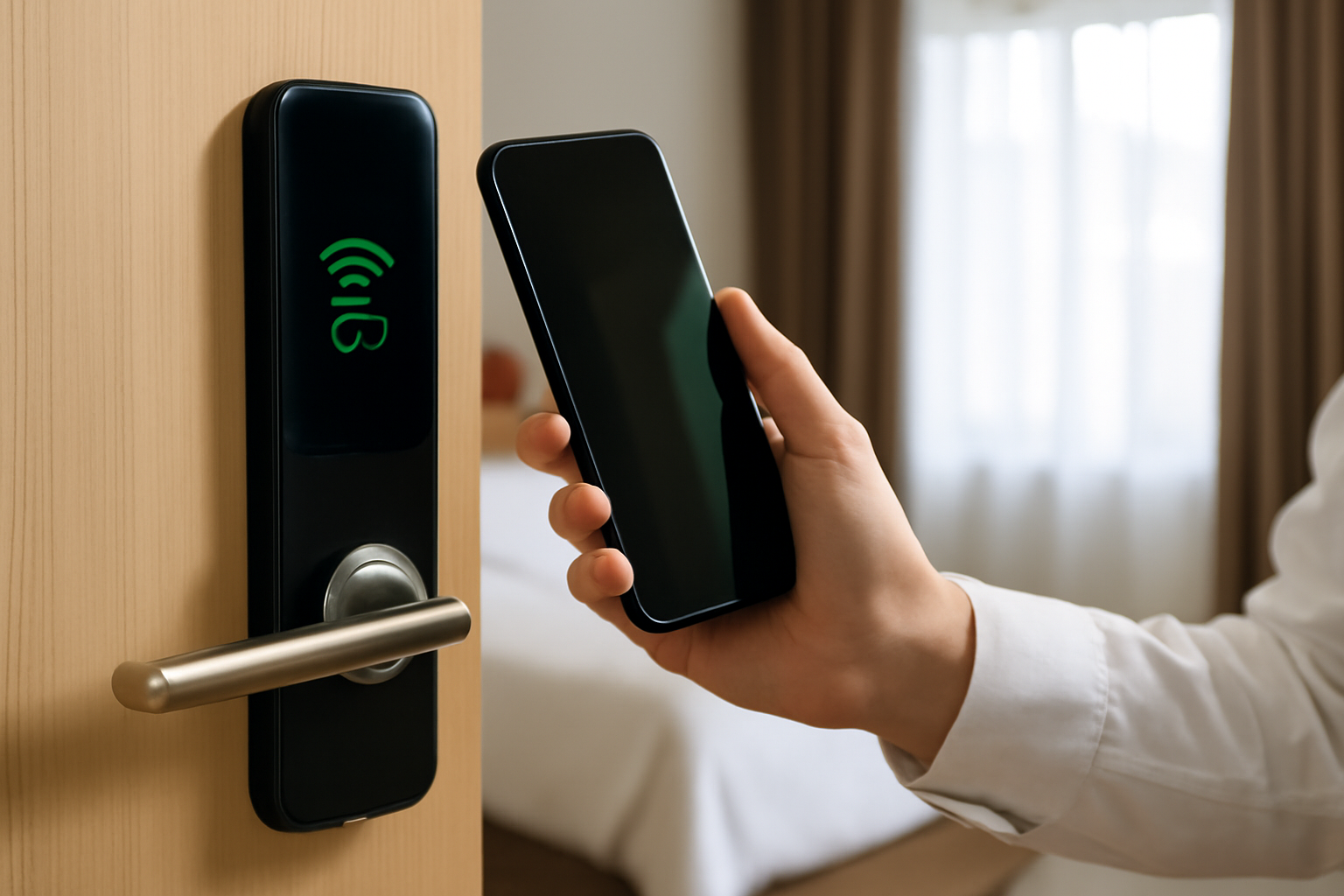
The implementation of keyless check-in systems involves a combination of hardware and software solutions that work together to ensure security and ease of use. Smart locks, which can be controlled via Bluetooth or Wi-Fi, are installed on guest room doors, allowing guests to unlock their rooms with a simple tap on their smartphones. This technology not only eliminates the risk of losing physical keys but also enhances security by providing unique access codes that can be time-sensitive or limited to specific guests. Additionally, many keyless check-in systems are integrated with hotel management software, enabling real-time updates on room availability and guest check-in status. This integration helps hotel operators manage their properties more efficiently, leading to improved occupancy rates and higher revenue potential.
As keyless check-in continues to gain traction in the Indian hospitality sector, it is essential for hotel owners and operators to understand the benefits and challenges associated with this technology. While the advantages are clear, including increased guest satisfaction, operational efficiency, and enhanced security, there are also considerations to keep in mind, such as the need for reliable internet connectivity and the potential for technical issues. Furthermore, hotels must ensure that their staff is adequately trained to assist guests with the new technology and address any concerns that may arise. By embracing keyless check-in, hotels in India can position themselves as forward-thinking establishments that prioritize guest convenience and safety, ultimately leading to a more competitive edge in a rapidly evolving market.