Smart Locks for Hotels: Everything Owners Need to Know
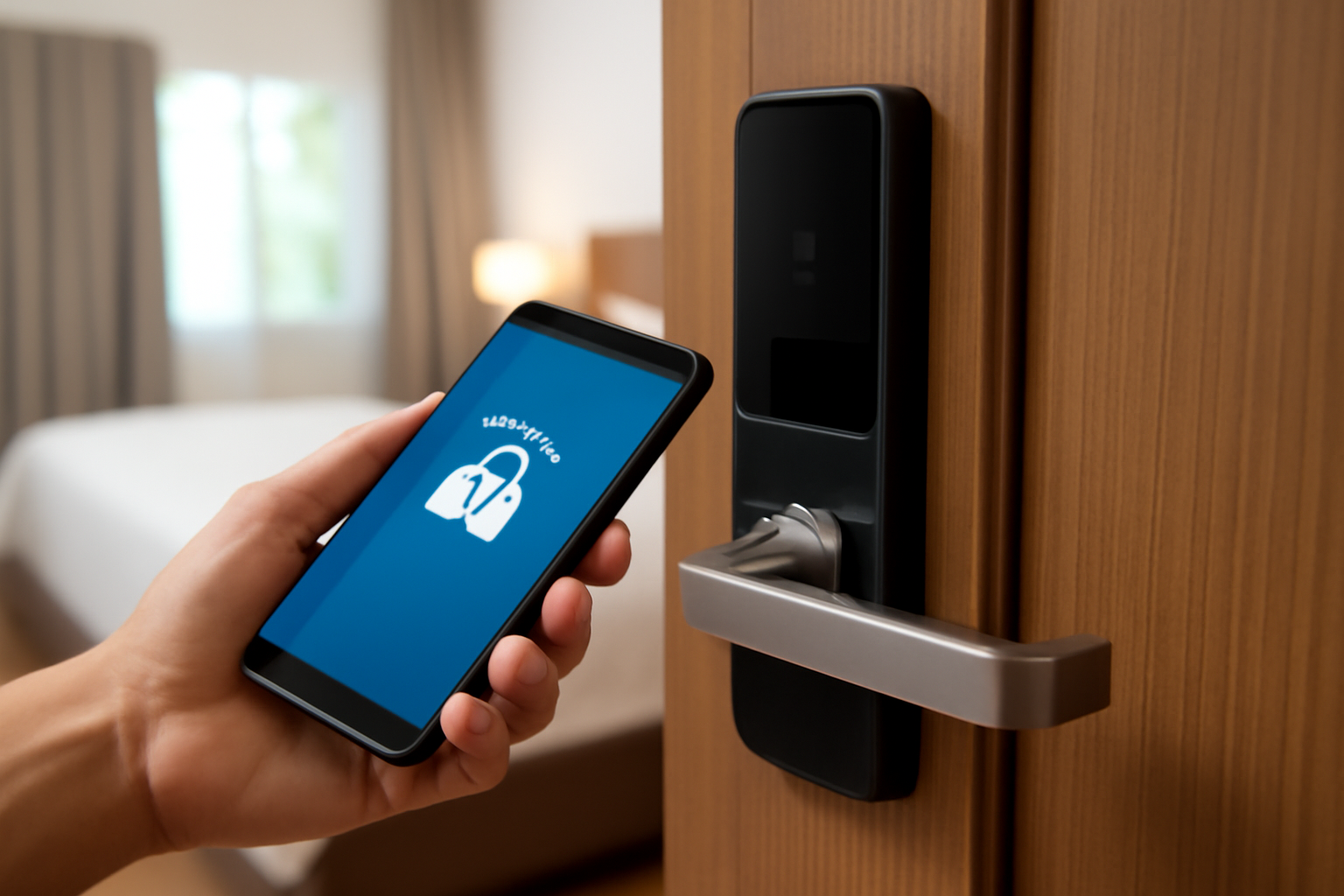
Smart locks are revolutionizing the hospitality industry, particularly for family-run hotels in Brazil, by introducing a level of convenience and security that was previously unattainable. These innovative locking systems allow hotel owners to automate check-in processes, thereby streamlining operations and enhancing the guest experience. With the integration of smart locks, hotel staff can manage access to rooms and facilities remotely, ensuring that guests can check in at their convenience without the need for physical keys. This not only improves operational efficiency but also reduces the workload on staff, allowing them to focus on providing exceptional service. The ability to control access through mobile applications or keyless entry systems means that hotel owners can easily monitor who enters and exits their properties, adding an extra layer of security that is essential in today’s hospitality landscape.
Moreover, smart locks offer a range of features that can significantly enhance property management. For instance, hotel owners can set temporary access codes for guests, which can be programmed to expire after their stay, ensuring that security is maintained without the hassle of changing physical locks. This feature is particularly beneficial for family-run hotels that may not have the resources to constantly manage physical keys. Additionally, smart locks can provide valuable data analytics, allowing hotel owners to track usage patterns and identify peak check-in times. This information can be instrumental in optimizing staffing levels and improving overall guest satisfaction. The integration of smart technology not only modernizes the guest experience but also positions hotels as forward-thinking establishments that prioritize security and convenience.
As the hospitality industry continues to evolve, the adoption of smart locks is becoming increasingly important for hotel owners looking to stay competitive. The initial investment in smart lock technology can yield significant long-term benefits, including reduced operational costs and enhanced guest loyalty. Guests today are more tech-savvy and expect seamless experiences, which smart locks can provide. By embracing this technology, family-run hotels in Brazil can differentiate themselves in a crowded market, attracting a broader clientele who value innovation and security. In conclusion, smart locks represent a pivotal advancement in hotel management, offering solutions that not only meet the demands of modern travelers but also empower hotel owners to operate more efficiently and effectively.