Beginner’s Guide to Self Check-in for Airbnb Hosts
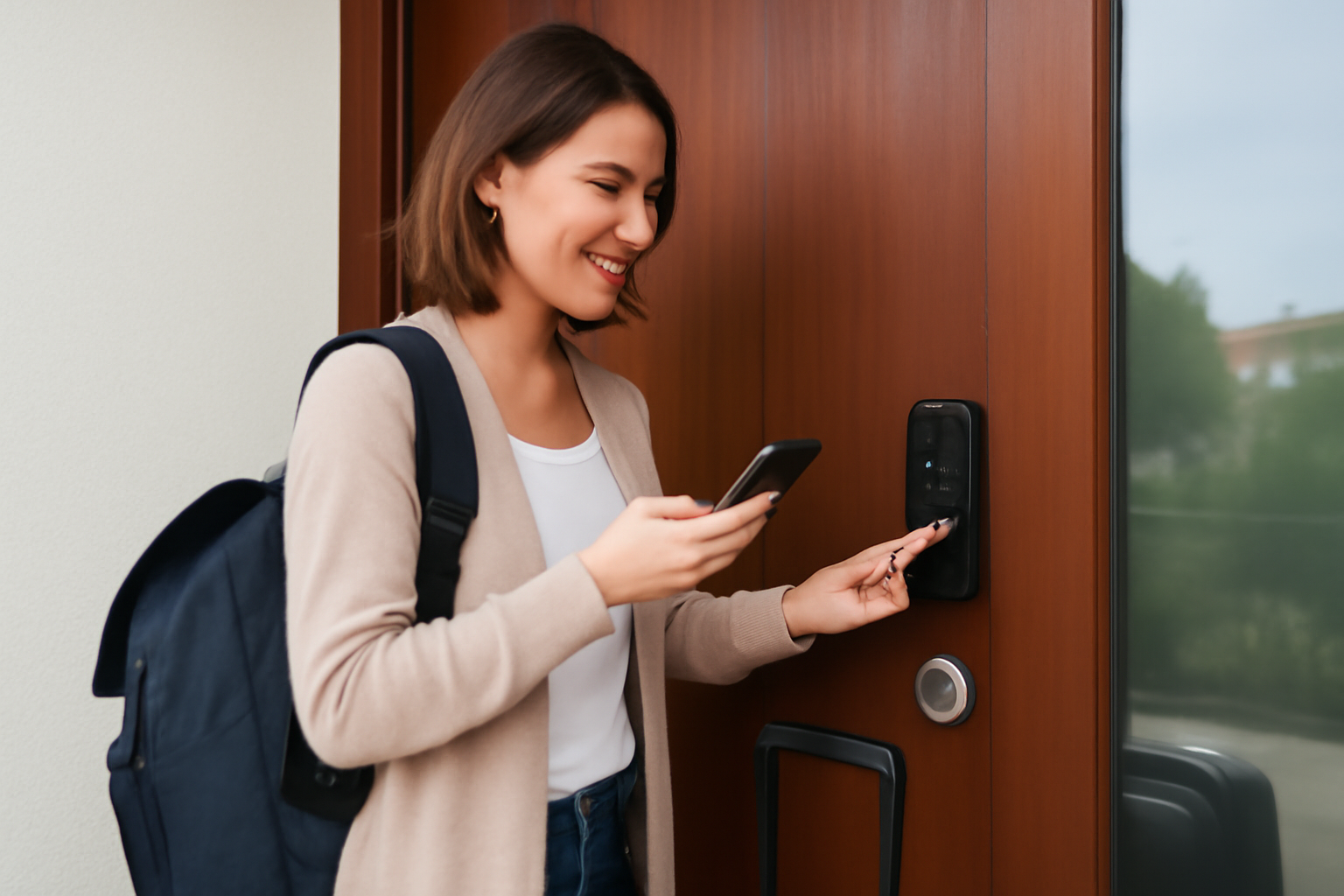
Self check-in has revolutionized the way Airbnb hosts manage their properties, offering a streamlined approach that caters to the needs of both hosts and guests. In an era where convenience is paramount, self check-in systems allow guests to access their accommodations without the need for face-to-face interactions, which can be particularly beneficial for those arriving late at night or during off-peak hours. This method not only enhances the guest experience by providing flexibility and autonomy but also significantly improves operational efficiency for hosts. By eliminating the need for in-person check-ins, hosts can save valuable time and resources, allowing them to focus on other aspects of their rental business. Furthermore, self check-in can help hosts accommodate a wider range of guests, including those who may have varying schedules or last-minute travel plans, ultimately leading to increased bookings and higher guest satisfaction rates.
Implementing a self check-in system requires careful planning and consideration of various factors to ensure a smooth experience for everyone involved. One of the most critical aspects is choosing the right technology to facilitate the check-in process. Options range from smart locks that can be programmed with unique access codes for each guest to lockboxes that securely store physical keys. Each method has its advantages and potential drawbacks, so hosts should assess their specific needs, property type, and guest demographics before making a decision. Additionally, clear communication with guests is essential to ensure they understand the check-in process. Providing detailed instructions, including how to access the property and any necessary codes or keys, can help prevent confusion and frustration. Hosts should also be prepared to offer support and assistance should any issues arise during the check-in process, as prompt and effective communication can significantly enhance the guest experience.
Beyond the practical aspects of self check-in, hosts must also be aware of the legal considerations that may arise. Depending on the location of the property, there may be specific regulations governing short-term rentals and self check-in practices. It is crucial for hosts to familiarize themselves with local laws and ensure compliance to avoid potential fines or legal issues. Additionally, hosts should consider the implications of self check-in on their insurance policies, as some providers may have specific requirements or exclusions related to self check-in systems. By taking the time to understand these legal aspects, hosts can protect themselves and their properties while providing a seamless and enjoyable experience for their guests. In conclusion, self check-in is an invaluable tool for Airbnb hosts looking to enhance their operational efficiency and improve guest satisfaction, but it requires careful planning, effective communication, and a thorough understanding of legal considerations to be successful.