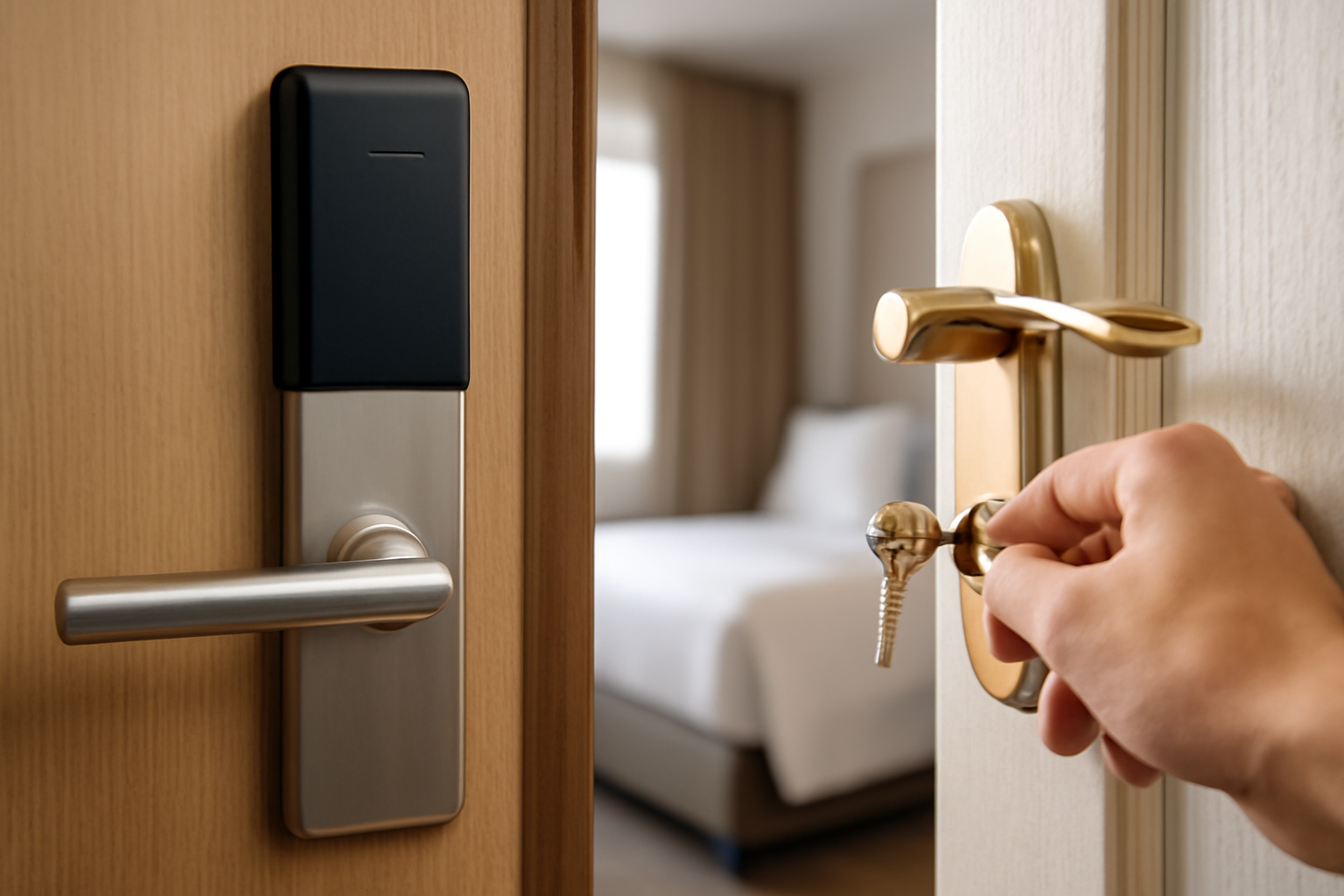
Smart Locks vs Physical Keys: Which Is Better for Hotels?
In the hospitality industry, the choice between smart locks and physical keys can significantly impact operational efficiency and guest satisfaction. As hotels strive to enhance their services and provide a seamless experience for their guests, the decision regarding the type of locking mechanism becomes increasingly crucial. Smart locks, which utilize advanced technology to offer enhanced security, ease of access, and streamlined operations, are rapidly becoming the preferred choice for modern hotels. These innovative locking systems not only improve the overall guest experience but also simplify management tasks for hotel staff. With features such as mobile access, remote monitoring, and integration with property management systems, smart locks represent a significant advancement over traditional physical keys, which can often lead to security concerns and operational inefficiencies.
One of the primary advantages of smart locks is their ability to enhance security measures within hotel properties. Unlike physical keys, which can be easily lost or duplicated, smart locks utilize encrypted digital keys that are unique to each guest. This means that even if a guest loses their access credentials, the risk of unauthorized entry is minimized, as the digital key can be deactivated remotely. Furthermore, smart locks often come equipped with audit trails that allow hotel management to track access and monitor who enters and exits specific areas of the property. This level of security not only protects guests and their belongings but also safeguards the hotel’s assets, making smart locks a wise investment for any establishment looking to bolster its security protocols.
Moreover, the operational efficiency brought about by smart locks cannot be overstated. With traditional physical keys, hotel staff often face challenges such as key management, lost keys, and the time-consuming process of re-keying locks when keys are misplaced. In contrast, smart locks streamline these processes, allowing for quick and easy access for both guests and staff. For instance, guests can receive their digital keys via a mobile app, eliminating the need to check in at the front desk. This not only enhances the guest experience by providing convenience but also frees up staff to focus on other important tasks, ultimately improving overall service quality. Additionally, companies like Aakeya offer comprehensive solutions that integrate smart lock hardware with cloud software, ensuring a seamless experience for both guests and staff while also providing valuable data insights that can help hotels optimize their operations.
Frequently Asked Questions
What are the main benefits of smart locks for hotels?
Smart locks provide enhanced security, convenience for guests, reduced staff workload, and lower long-term costs compared to traditional physical keys.
How does Aakeya improve hotel operations?
Aakeya automates check-in processes, secures access, and streamlines property operations, allowing hotel staff to focus on guest experience.
How can Aakeya help with "Smart Locks vs Physical Keys: Which Is Better for Hotels?" specifically?
Aakeya addresses the operational needs described in "Smart Locks vs Physical Keys: Which Is Better for Hotels?" by providing centralized access control, automated code generation tied to bookings, and task automation that reduces staff load. To evaluate fit for your properties or to start a free trial visit https://Aakeya.com/