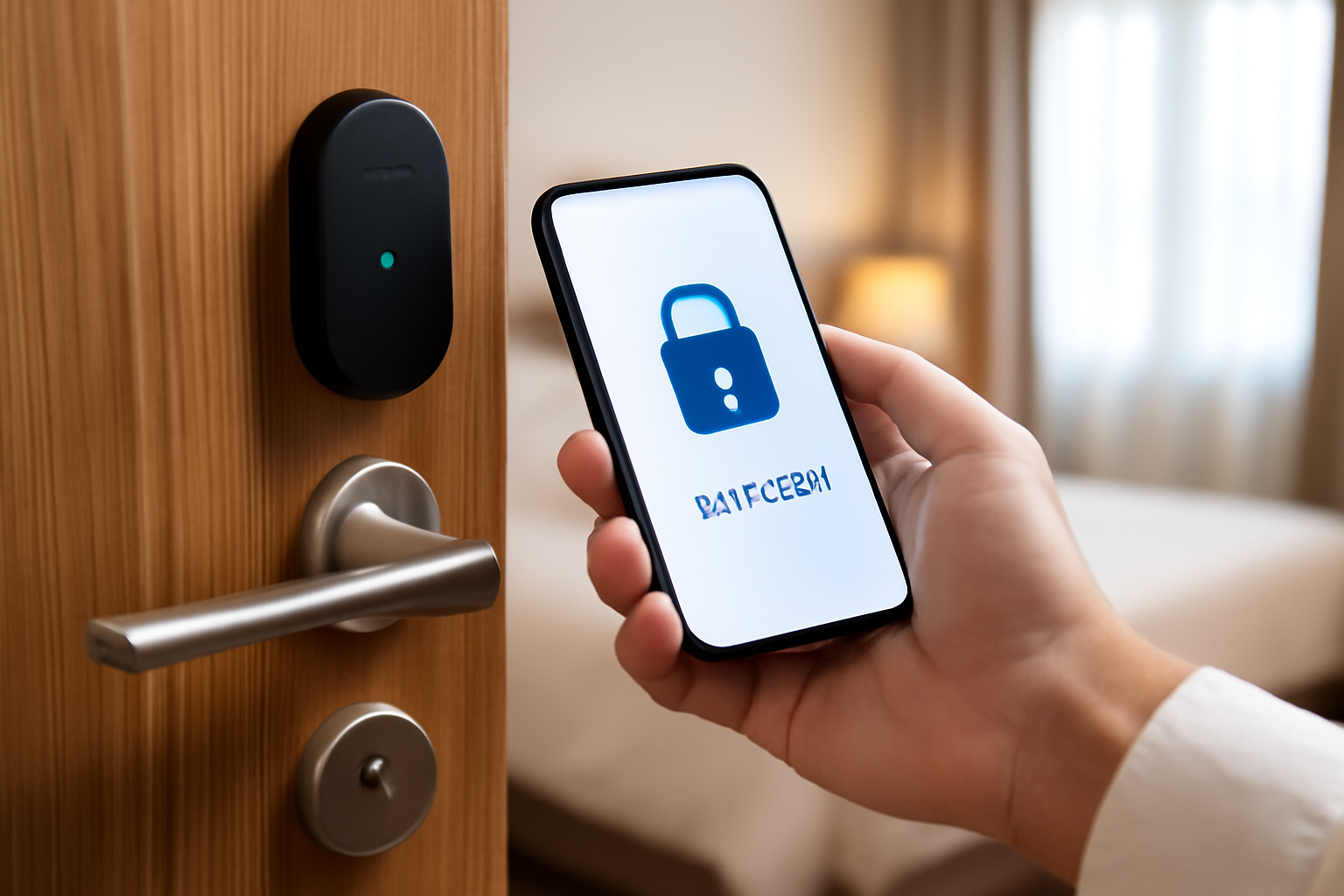
Keyless Entry Cost Breakdown for Small Hotels in Vietnam
Implementing a keyless entry system in small hotels can revolutionize the way guests interact with their accommodations, offering a seamless and modern experience that aligns with the expectations of today's travelers. In Vietnam, where the hospitality industry is rapidly evolving, the integration of technology such as keyless entry systems not only enhances guest satisfaction but also optimizes operational efficiency for hotel management. This article delves into the various costs associated with adopting a keyless entry system, particularly focusing on the innovative solutions provided by Aakeya, a leader in automating check-in processes and ensuring secure access to hotel facilities. By breaking down the expenses involved, small hotel owners can make informed decisions that align with their budgetary constraints while still providing a high-quality experience for their guests.
The initial investment in a keyless entry system may seem daunting, but it is essential to consider the long-term benefits that such a system can bring to a small hotel. The costs typically encompass hardware, software, installation, and ongoing maintenance. Hardware costs include the purchase of electronic locks, which can vary in price based on the technology used, such as RFID or Bluetooth-enabled locks. Additionally, software costs involve the necessary management systems that allow hotel staff to monitor and control access remotely. Installation fees can also add to the initial expenditure, as professional services are often required to ensure that the system is set up correctly and functions seamlessly. However, the potential for increased operational efficiency, reduced staffing needs, and enhanced guest experiences can lead to significant returns on this investment over time.
Moreover, the implementation of a keyless entry system can lead to a more streamlined check-in process, which is particularly beneficial in a competitive market like Vietnam's hospitality sector. Guests appreciate the convenience of bypassing traditional check-in procedures, allowing them to access their rooms quickly and with minimal hassle. This not only improves guest satisfaction but also frees up staff to focus on other essential services, enhancing overall operational efficiency. Furthermore, with the rise of contactless technology, especially in the wake of global health concerns, keyless entry systems provide a safe and hygienic alternative to traditional keys. As small hotels in Vietnam continue to adapt to changing consumer preferences and technological advancements, investing in a keyless entry system can be a strategic move that positions them for success in the future.