How Automation Enhances Lean Staffing in Hotels
In the competitive landscape of the hospitality industry, hotels are continually seeking innovative ways to enhance operational efficiency while simultaneously reducing costs. One of the most effective strategies that has emerged is the adoption of lean staffing models. These models focus on optimizing workforce management by ensuring that every employee's role is essential and contributes directly to the overall guest experience. By minimizing unnecessary labor costs and reallocating resources more effectively, hotels can not only improve their bottom line but also provide a more personalized and attentive service to their guests. The integration of automation into this framework has proven to be a game-changer, allowing hotels to maintain high service standards even with a reduced workforce. This shift towards automation is not merely a trend; it represents a fundamental change in how hospitality operations are managed, paving the way for a more sustainable and efficient future.
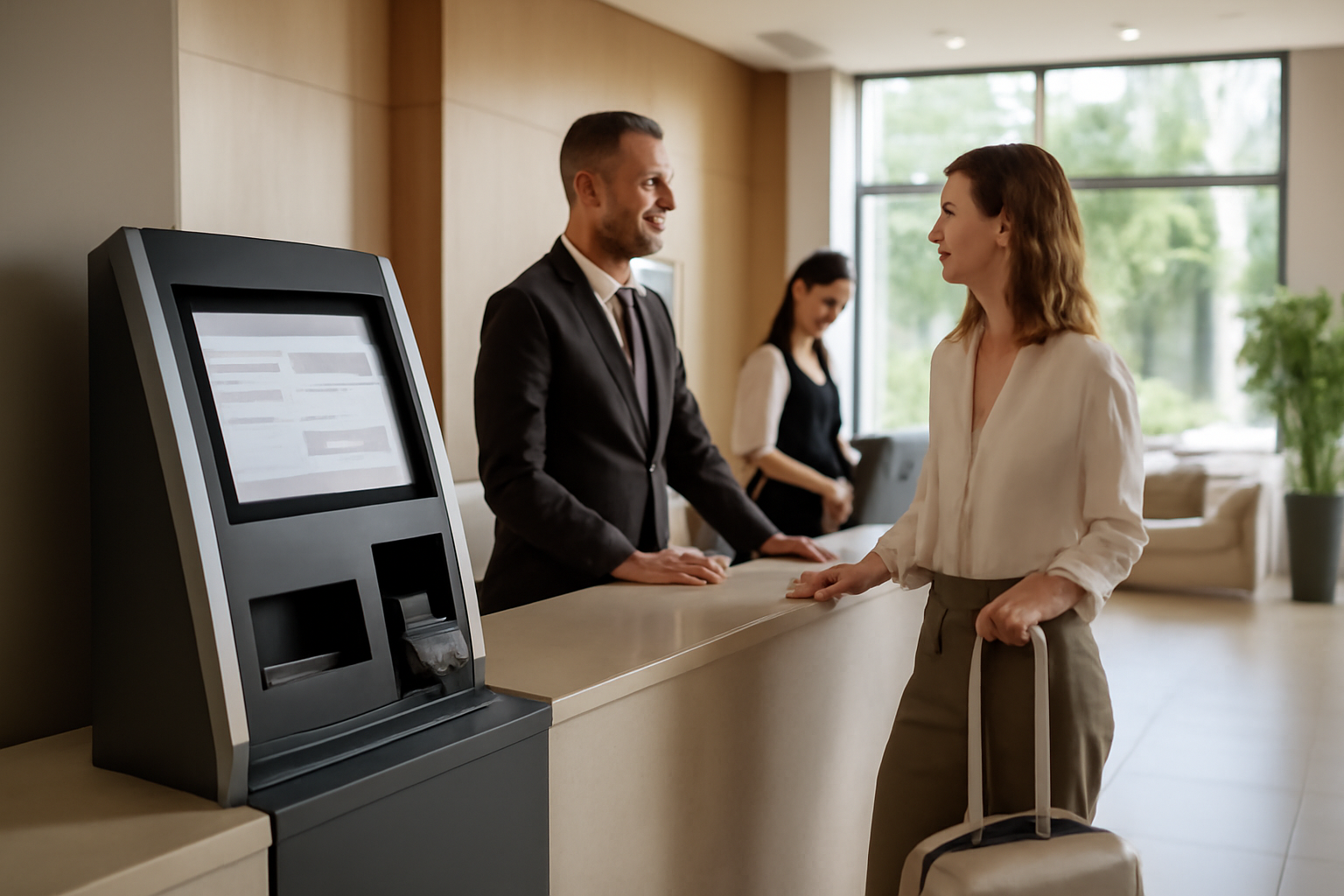
Automation plays a pivotal role in this transformation, enabling hotels to streamline various operational processes that traditionally required significant human intervention. For instance, the implementation of smart lock hardware and cloud-based software solutions, such as those offered by Aakeya, has revolutionized the check-in experience for guests. Automated check-in systems allow guests to bypass the front desk entirely, providing them with a seamless arrival experience while freeing up staff to focus on more complex guest needs. Additionally, these technologies enhance security by ensuring that access to rooms and facilities is tightly controlled and monitored. This not only improves the overall guest experience but also reduces the likelihood of human error, thereby increasing operational reliability. As hotels embrace these technological advancements, they can effectively implement lean staffing strategies that do not compromise on quality or service delivery.
Moreover, the benefits of automation extend beyond just operational efficiency; they also encompass enhanced data management and analytics capabilities. By automating routine tasks, hotels can collect and analyze data more effectively, leading to informed decision-making that can drive further improvements in service delivery and guest satisfaction. For example, data collected from automated systems can provide insights into guest preferences and behaviors, enabling hotels to tailor their services more closely to the needs of their clientele. This level of personalization is increasingly important in today's competitive market, where guests expect not only high-quality service but also a unique and memorable experience. As hotels continue to explore the potential of automation, it is clear that this technology will play an essential role in shaping the future of lean staffing in the hospitality industry, allowing hotels to thrive in an ever-evolving landscape while maintaining their commitment to excellence.